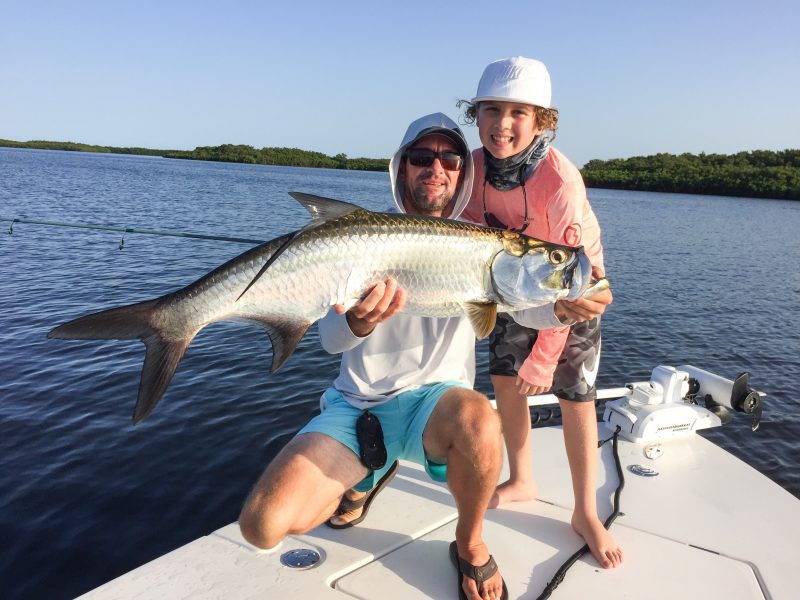
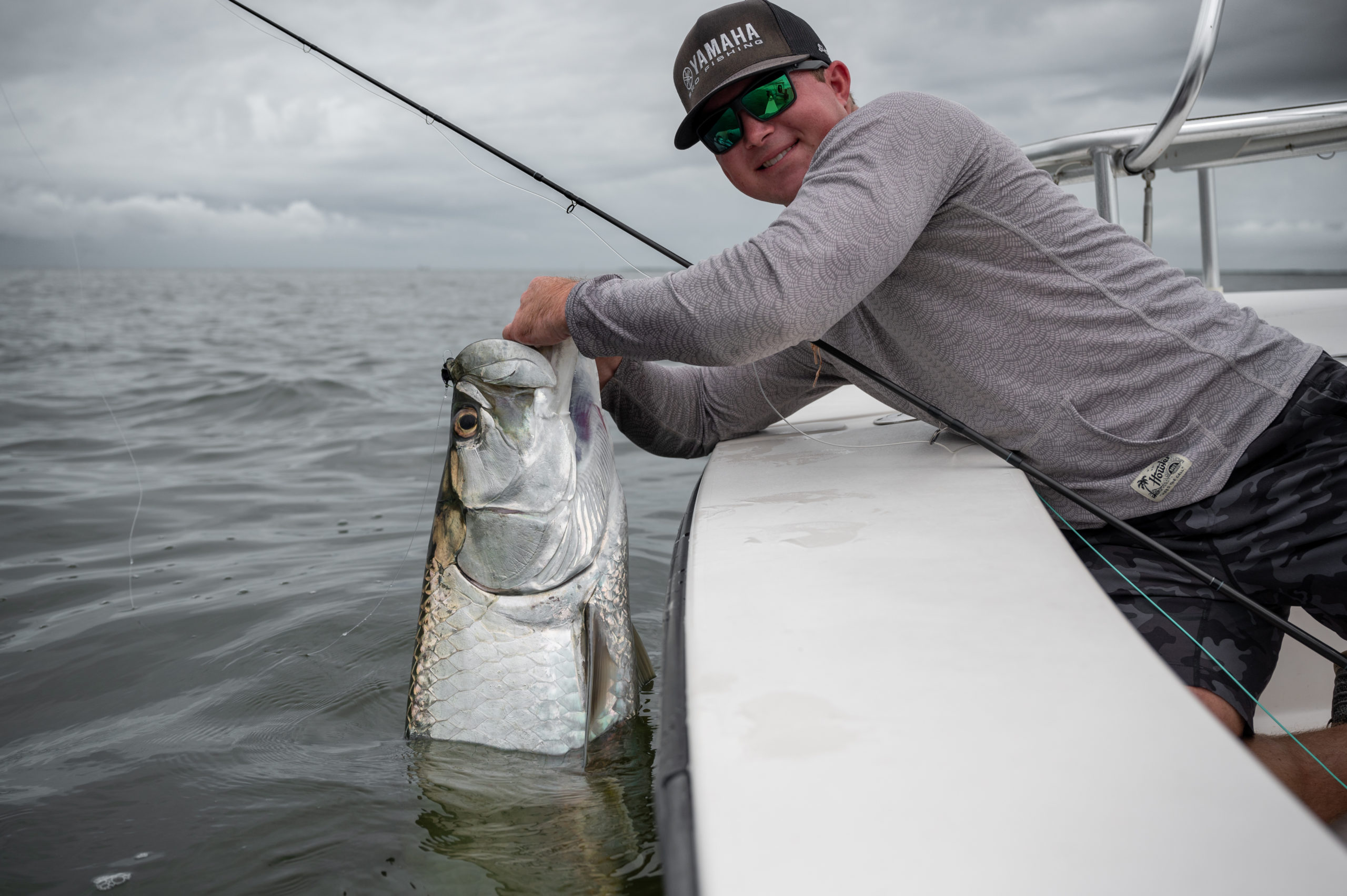
Homosassa, Florida has quietly become one of the most technical and rewarding tarpon fisheries on the Gulf Coast. At first glance, it looks simple — shallow water, clear conditions, and visible fish. But fly fishing for tarpon in Homosassa, FL quickly proves to be a different game.
What makes this fishery special isn’t just the number of tarpon. It’s how they behave — and how little room for error anglers are given.
Capt. Brian Sawyer sees it every season guiding anglers through Homosassa tarpon fly fishing conditions. Anglers who’ve had success in other destinations often struggle early here — not because the fish are harder, but because the environment demands precision.
1. Shallow, Clear Water Changes Everything
One of the defining features of tarpon fly fishing Homosassa FL is the shallow, clear water. That single factor drives nearly every difference in fish behavior.
What that means:
- Fish see the boat earlier
- Fish react faster to movement
- Presentations must be precise
- Mistakes get exposed instantly
In deeper or darker water, anglers can get away with more. In Homosassa, they can’t.
As Capt. Brian Sawyer often tells anglers on the bow:
“These fish aren’t hard to fool — until you give them a reason not to eat.”
2. Boat Positioning Is More Important Than Casting
Most anglers searching for a Homosassa tarpon fishing guide assume success comes down to casting ability. In reality, the cast is often the easiest part.
The real difference-maker:
Boat positioning before the cast ever happens.
Key factors:
- Setting the correct angle on traveling fish
- Managing distance without pushing fish
- Adjusting for sun angle and visibility
- Anticipating direction instead of reacting
Capt. Brian Sawyer spends more time positioning the skiff than calling shots — because a small adjustment can turn a missed opportunity into a clean eat.
3. Not All Visible Fish Are Worth Casting To
Homosassa tarpon fly fishing is highly visual. You’ll see rolling fish, laid-up fish, and traveling fish throughout the day.
The most common mistake is casting at everything you see.
Higher-percentage fish:
- Moving with direction
- Consistent speed
- Unaware of the boat
Lower-percentage fish:
- Random rollers
- Fish that just sounded
- Fish already reacting to pressure
One of the biggest separators in fly fishing for tarpon in Homosassa is restraint.
As Capt. Brian Sawyer puts it:
“The best cast you make all day might be the one you don’t take.”
4. Conditions Matter More Than Fly Selection
A lot of anglers focus heavily on flies. In Florida tarpon fly fishing, especially on the Nature Coast, conditions matter far more.
Key variables:
- Sun angle – Impacts visibility and fish comfort
- Surface texture – Helps or hurts stealth
- Water clarity – Determines how close you can get
- Tide movement – Influences travel paths
Experienced guides like Capt. Brian Sawyer constantly adjust based on these factors.
The fly matters — but it’s rarely the deciding factor.
5. Tarpon Behavior Is More Subtle Here
Nature Coast tarpon fishing gives anglers more visual access to fish, but also requires better interpretation.
Things to watch:
- Body language (relaxed vs tense)
- Direction changes
- Speed shifts
- Reaction to the boat
Small cues often determine whether a fish eats or refuses.
Capt. Brian Sawyer frequently identifies these subtle differences early, helping anglers prepare before the opportunity even develops.
6. Patience and Discipline Win
Homosassa tarpon fly fishing offers some of the clearest water conditions in Florida, which means rushed decisions get exposed fast.
Common mistakes:
- Rushing casts
- Forcing bad angles
- Overreacting to fish activity
- Letting adrenaline take over
Successful anglers do the opposite:
- Wait for clean, high-percentage shots
- Trust positioning
- Stay calm under pressure
- Let the situation develop
This disciplined approach is a major reason anglers fishing with Capt. Brian Sawyer consistently find better opportunities.
Fly Fishing for Tarpon in Homosassa
Fly fishing for tarpon in Homosassa, FL requires a more technical approach than many other fisheries. It’s not about casting more — it’s about understanding when everything lines up.
Homosassa doesn’t hide mistakes. It exposes them.
The anglers who succeed here aren’t always the best casters — they’re the ones who read fish correctly, position effectively, and stay patient when it matters.
A simple way to look at it:
Homosassa doesn’t make tarpon harder.
It just makes everything more visible — including your mistakes.
Looking to Fish Tarpon in Homosassa?
If you’re planning a Homosassa tarpon fly fishing trip, Capt. Brian Sawyer guides anglers of all skill levels on Florida’s Nature Coast. Whether you’re refining your approach or targeting your first tarpon on fly, every trip is built around high-percentage opportunities and real-world experience.